PRENATAL CARE
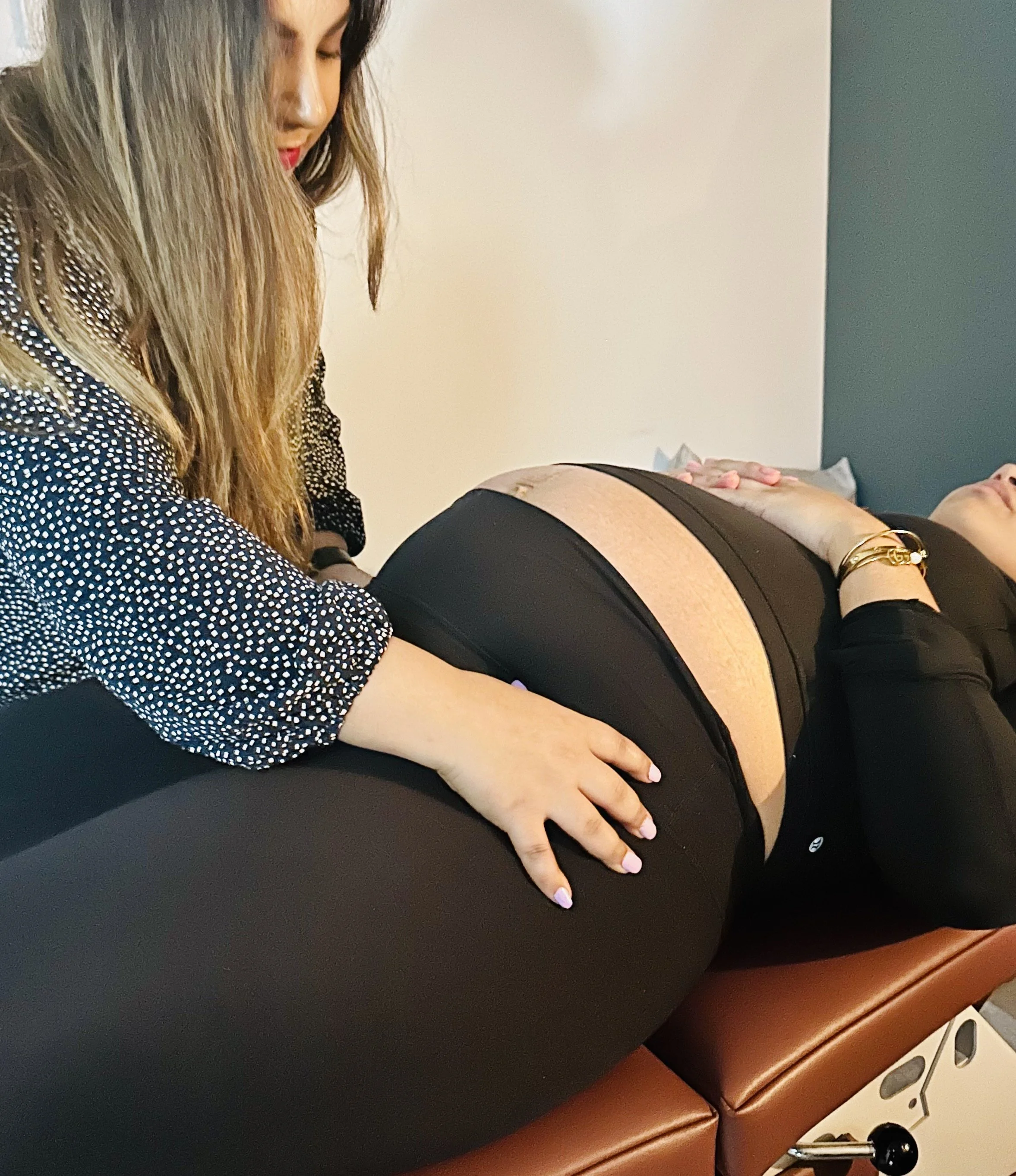
PRENATAL CARE AT TULA CHIROPRACTIC
Webster-certified prenatal chiropractic in McKinney, built by doctors who have been on the other side of pregnancy and know what real support is supposed to feel like.
WHAT YOUR BODY IS DOING RIGHT NOW
Your body is adapting, and it is doing an enormous amount of that adapting all at once.
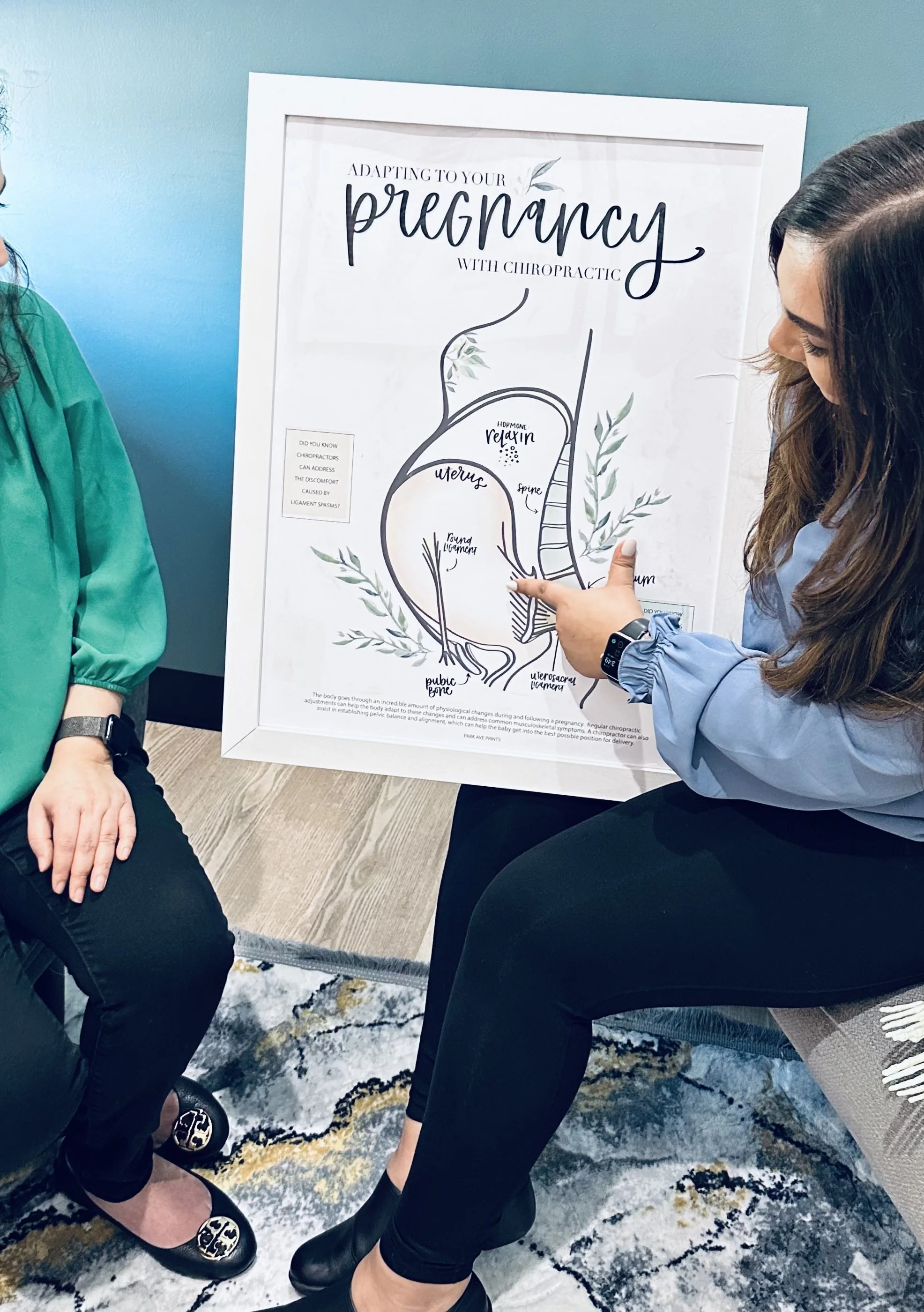
Your pelvis is shifting. Your ligaments are softening. Your center of gravity moves a little further forward every week, your rib cage expands to make room, and your nervous system begins regulating for two. All of it is connected, so when one part of your body changes, the rest reorganizes around it to keep you moving.
When that reorganizing has support, most women move through pregnancy with far more ease than they expected. When it does not, the body compensates, and that compensation eventually surfaces somewhere it can no longer hide: in how you sleep, how you breathe, how you walk, even how you feel day to day. The discomfort that so often gets dismissed as just part of pregnancy is usually your body carrying a load it was never meant to carry alone.
Prenatal chiropractic at Tula is built to meet your body in this season and support the way it is already trying to adapt.
Support you can count on
·
Support you can count on ·
THE VILLAGE YOU HAVE BEEN LOOKING FOR

Maybe your OB told you the hip pain is normal. Maybe everyone around you keeps saying to push through, that this is just what pregnancy is.
Here is what we tell every mom who ends up on our table near tears: you do not have to suffer through this. Your body is changing a great deal right now, more than almost anyone around you understands, and that part is real. But changing a great deal and suffering through it are not the same thing, and somewhere along the way a lot of women were taught that they were. Pregnancy is supposed to be a season you can actually enjoy.
Your body is also communicating the whole time. The hip that began shifting around 22 weeks, the rib pain that makes it hard to take a full breath, the round ligament pain that wakes you at 2am, none of it is random, and none of it is something you simply have to live with. Each of those is your body asking for something it has not been given yet. What it needs is someone who knows how to listen, and what to do about what they are hearing.
That is the practice we built at Tula. The longer visits, the hands-on work, the unhurried time on the table. We built the kind of place we would have wanted to be cared for in ourselves.
THE TULA EXPERIENCE
Every prenatal visit at Tula is 30 to 45 minutes of hands-on, unhurried care, because a pregnant body is doing too much to be served well in five.
We begin with the soft tissue: the tight ligaments, the restricted muscles, and the quiet places your body has already started compensating before you have even noticed. From there we use craniosacral therapy to help your nervous system settle and release the protective, braced patterns that pregnancy tends to create. Then we work with the spine and pelvis using the Webster Technique, the specific protocol developed for the pregnant body and the changes it is moving through.
We are not interested in a quick adjustment and a wave goodbye. We work through the whole system, every visit, because that is what the body in front of us actually needs.
Both of our doctors are Webster Certified through the ICPA and listed on the ICPA for Kids directory. Your care is built around the real physiology of pregnancy, not borrowed from a general adult protocol and modified to fit.
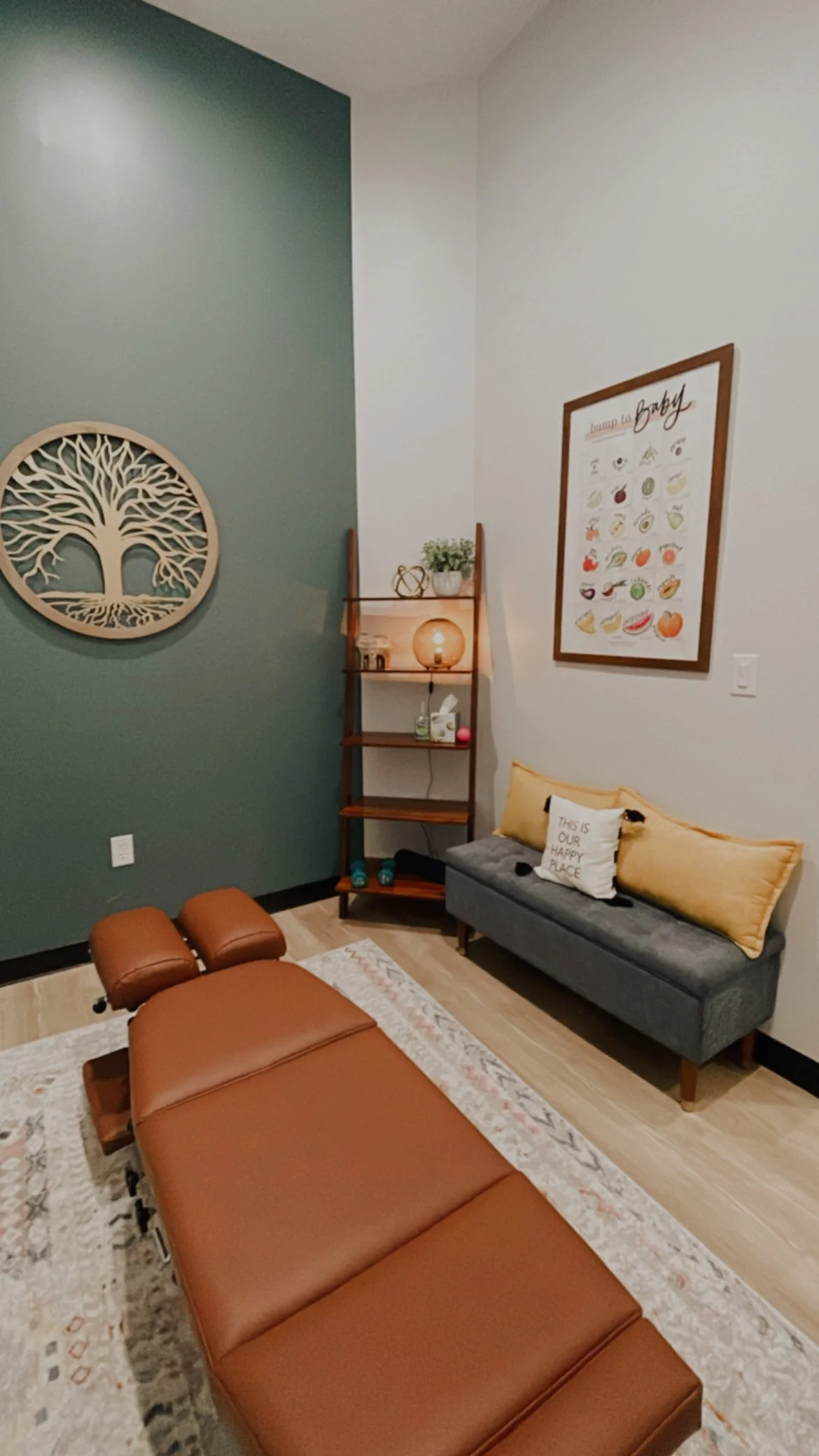
WHAT WE LOOK AT
We look at your whole body at every visit. Depending on what your body is asking for, this is what we may support along the way:
Round ligament pain and hip discomfort
Low back, SI joint, and sacral pain
Sciatica and nerve symptoms
Rib pain and breathing restriction
Pubic symphysis discomfort
Pelvic balance and pelvic floor tension
Carpal tunnel symptoms in pregnancy
Nausea, digestive shifts, and reflux
Birth preparation and pelvic mobility
Nervous system regulation and the stress response
There is no wrong trimester to begin. We have welcomed first-time moms at six weeks, and we have welcomed moms two days before their due date.
Earlier is generally easier on the body. Many of the patients who start with us in the first or second trimester find that the third-trimester symptoms they had braced for never fully arrive. Starting later still does meaningful work. We have supported moms at 36, 38, and 40 weeks and watched their bodies respond.
The window looks different at every stage, and it is never closed. The truth we keep coming back to is a simple one: you find us exactly when you are meant to.
When Should I Start My Prenatal Chiropractic Care?
Most of our prenatal patients tell us some version of the same thing. I wish I had come in sooner.
If something in your body feels off, and you have been told it is just part of pregnancy, trust the part of you that already knows it does not have to be this way. That instinct is your body talking. We would be honored to listen with you.