Webster Technique for Breech Babies
What the Webster Technique is
The Webster Technique is a specific chiropractic analysis and adjustment protocol developed for pregnancy. It was created by Dr. Larry Webster of the International Chiropractic Pediatric Association (ICPA) and is the most widely used pregnancy-focused technique in the chiropractic field.
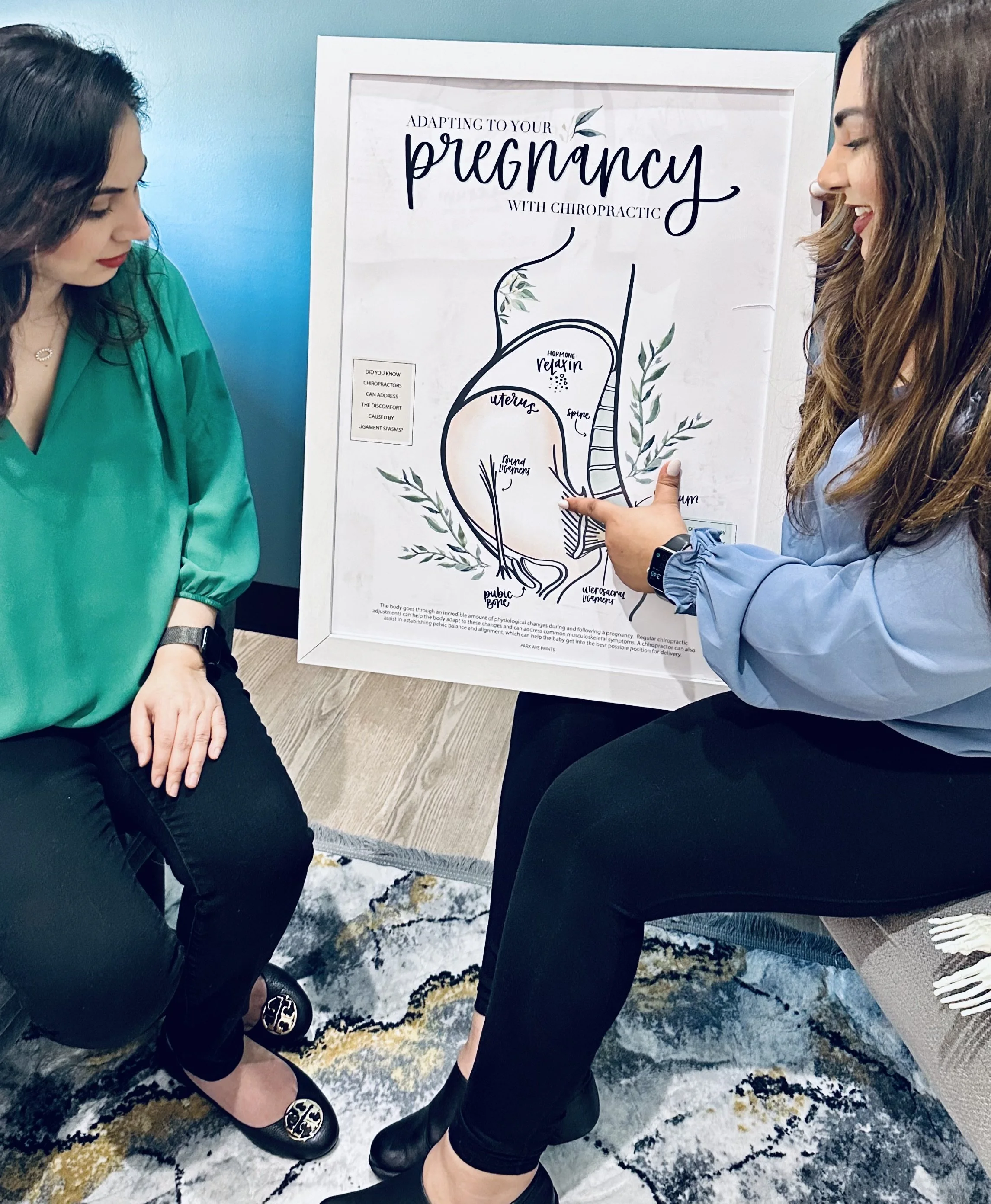
The Webster Technique focuses on the sacrum, pelvis, and surrounding soft tissue, including the round ligaments and uterine support structures. The goal is to reduce tension in these areas and support pelvic balance.
Webster does not turn babies. Webster does not claim to turn babies. What it does is reduce the structural and soft tissue tension that may be limiting your baby's ability to move freely in the space available. When pelvic balance is restored, your body has more capacity to support optimal positioning.
Both of our doctors are Webster Certified through the ICPA. We are listed on the ICPA For Kids directory and are among a small number of practitioners in McKinney with this specific certification.
Prenatal Care
·
Prenatal Care ·
Around 25 percent of babies are breech at 28 weeks. By 32 weeks, most have turned head-down on their own. By 36 weeks, about 3 to 4 percent of babies are still breech.
If your baby is breech at 32 weeks or later, this is generally when conversations about positioning, external cephalic version (ECV), and birth planning begin. Your provider may suggest exercises, positional changes, or, in some cases, Webster-certified chiropractic care as part of a broader plan to support optimal positioning.
The goal is not to force anything. The goal is to give your body the conditions it needs so your baby has the space to find the position they need to be in.
When breech presentation matters
What Webster Technique actually addresses
-
Pelvic balance
Webster Technique focuses on restoring balance in the sacrum and pelvis. When the pelvis is balanced, your baby has more available space and freedom to find optimal positioning.
-
Round ligament tension
The round ligaments support and stabilize the uterus. When they are tight or asymmetric, they can limit how the uterus is positioned in your body. Webster includes specific soft tissue work to address this.
-
Sacral mobility
A restricted sacrum changes how the entire pelvis functions. Restoring sacral mobility supports the natural movement and positioning your body is designed for.
Every prenatal visit at Tula is 30 to 45 minutes of hands-on, full-body care. Webster Technique is integrated into how we work with pregnant patients, but it is not the only thing we do.
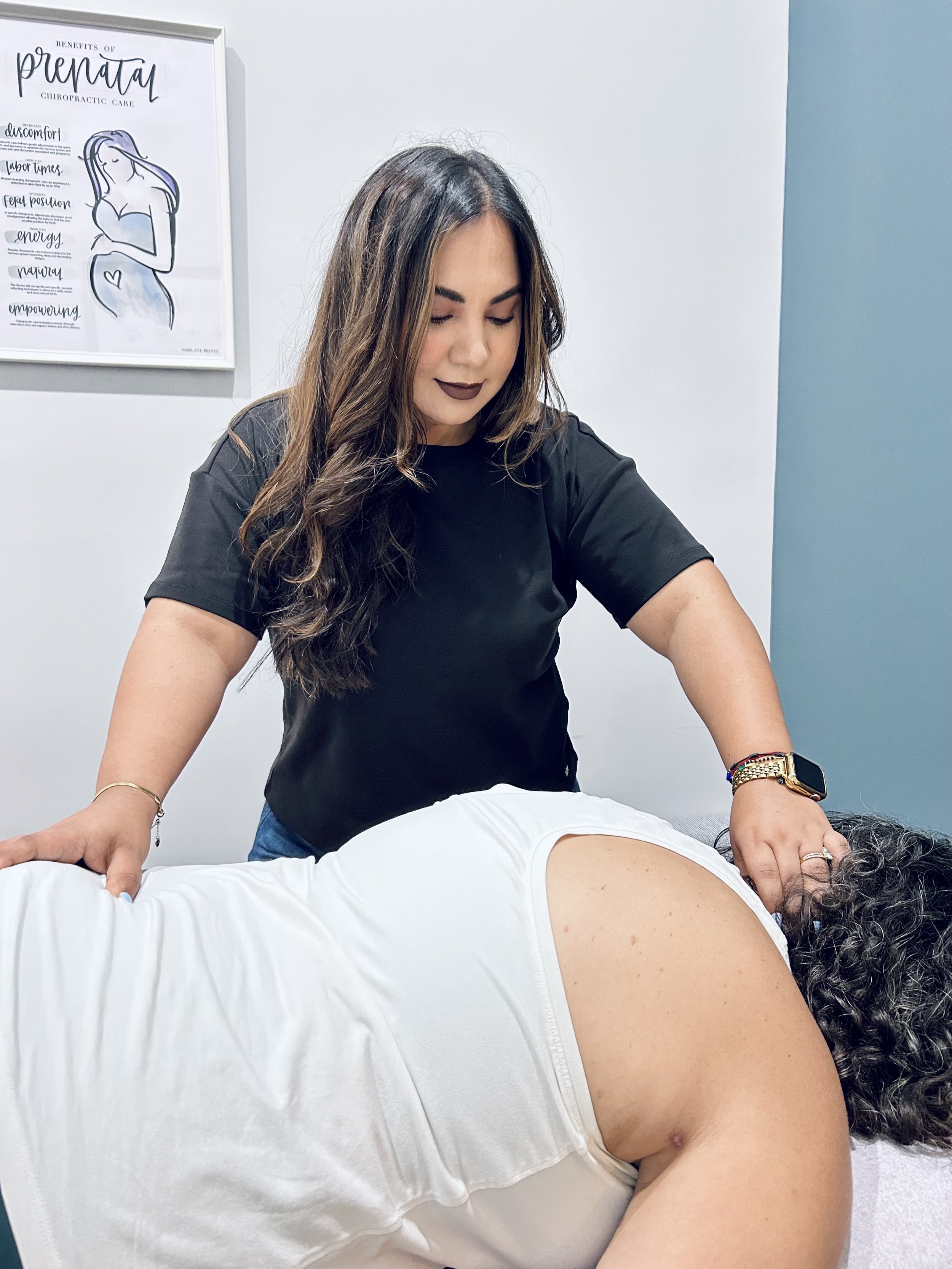
We start with the soft tissue. Round ligament tension, hip flexor restriction, and tightness through the lower abdominal wall and pelvic floor all influence how the uterus is held in your body. We work through these areas manually to release restrictions before we ever address the spine and pelvis directly.
We use craniosacral therapy to support your nervous system. Many patients carrying breech babies are also carrying significant stress — about the position, the birth plan, the timeline. Craniosacral work helps your nervous system come out of bracing and into a more regulated state. This matters because a nervous system in fight or flight holds protective tension that limits how freely the body can move.
Then we work with the spine and pelvis using the Webster Technique. This involves specific analysis of the sacrum, gentle adjustment of pelvic restrictions, and targeted soft tissue work on the round ligaments. The technique is gentle, pregnancy-safe, and uses positioning that is comfortable through every trimester.
We don't just do a quick adjustment and send you on your way.
How Webster Technique care works at Tula
Your Prenatal Care at Tula Chiropractic

-
Most patients who come in for Webster care notice their body feels different within the first one to three visits. Pelvic tension softens. Hip mobility improves. The sense of being held tightly in one position often releases.
Whether or not your baby changes position is influenced by many factors, including the size and shape of your uterus, fluid levels, placental position, cord length, and the specific structural patterns in your body. Webster care supports the conditions for optimal positioning. The rest is between your body and your baby.
We are clear and honest about this in every conversation. We don't promise outcomes. We promise to do the work that creates the best possible conditions for your body.
-
Breech presentation at 32 weeks and beyond
Pelvic imbalance and sacral restriction
Round ligament tension affecting uterine positioning
Tight hip flexors and pelvic floor
Restricted sacral mobility
Nervous system tension during birth preparation
General prenatal discomfort accompanying breech presentation
Birth preparation through the third trimester
Post-ECV recovery and continued positioning support
Whole-body alignment through the final weeks of pregnancy
-
The earlier the better. While Webster care is most often discussed at 32 to 36 weeks, the work it supports happens throughout pregnancy. Patients who receive consistent prenatal chiropractic care from earlier trimesters often find that their pelvis is in a more balanced state by the time positioning matters most.
If your baby is already breech and you are in your third trimester, it is not too late. We see patients at 34, 36, and 38 weeks and watch their bodies respond. Many of our patients integrate Webster care alongside other approaches their provider recommends, including Spinning Babies exercises, swimming, inversions, and ECV when indicated.
The most common thing we hear from patients carrying breech babies is some version of: I wish I had started this sooner.
Frequently asked questions about Webster Technique for breech presentation
Does the Webster Technique turn breech babies? No. The Webster Technique does not turn babies and we do not make that claim. What it does is reduce tension in the pelvis, sacrum, and surrounding soft tissue so your body has the best possible conditions for your baby to find optimal positioning on their own.
Is the Webster Technique safe during pregnancy? Yes. The Webster Technique was specifically developed for use during pregnancy and is one of the most established and widely used prenatal chiropractic protocols. It uses gentle, pregnancy-safe positioning and techniques tailored to every trimester.
When should I start Webster care if my baby is breech? Most providers begin discussing positioning around 32 weeks. Starting Webster care at 32 to 34 weeks is ideal, but care at 36, 37, or 38 weeks can still be beneficial. We meet your body where it is.
Can I do Webster care alongside Spinning Babies or ECV? Yes. Webster Technique works well alongside other positioning approaches. Many of our patients combine chiropractic care with Spinning Babies exercises and continue prenatal care after an ECV to support recovery and continued balance.
What if my baby doesn't turn? We support you regardless of how your birth unfolds. Webster care benefits the entire prenatal experience, not just positioning. The pelvic balance, soft tissue work, and nervous system regulation continue to matter through birth and postpartum, whether your baby is head-down, breech, or somewhere in between.
Do I need a referral from my OB or midwife? No referral is required. We work alongside many McKinney-area OBs, midwives, and doulas, but you can book directly.
You don't have to push through this
We have supported many mamas at Tula navigating breech presentation and one of the things our care is built to support. If you've been told this is just part of pregnancy and you're starting to wonder if there's another option, trust the part of you that knows there is.
Tula Chiropractic provides Webster-based chiropractic care for breech presentation in McKinney, TX. Real relief, real explanations, and visits that meet what your body is actually going through.